Application — 5G & Microwave From 5G FR1 to mmWave at 28 GHz, on one benchtop.
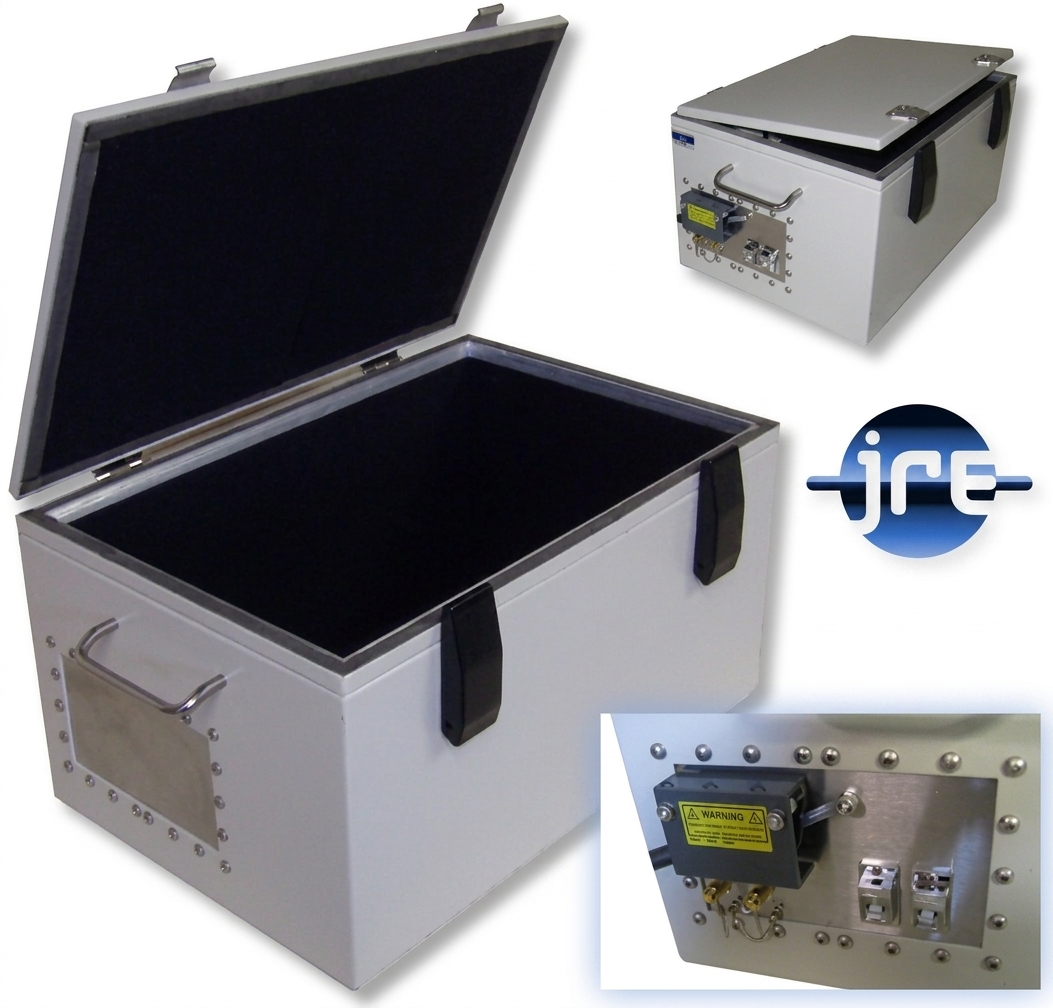
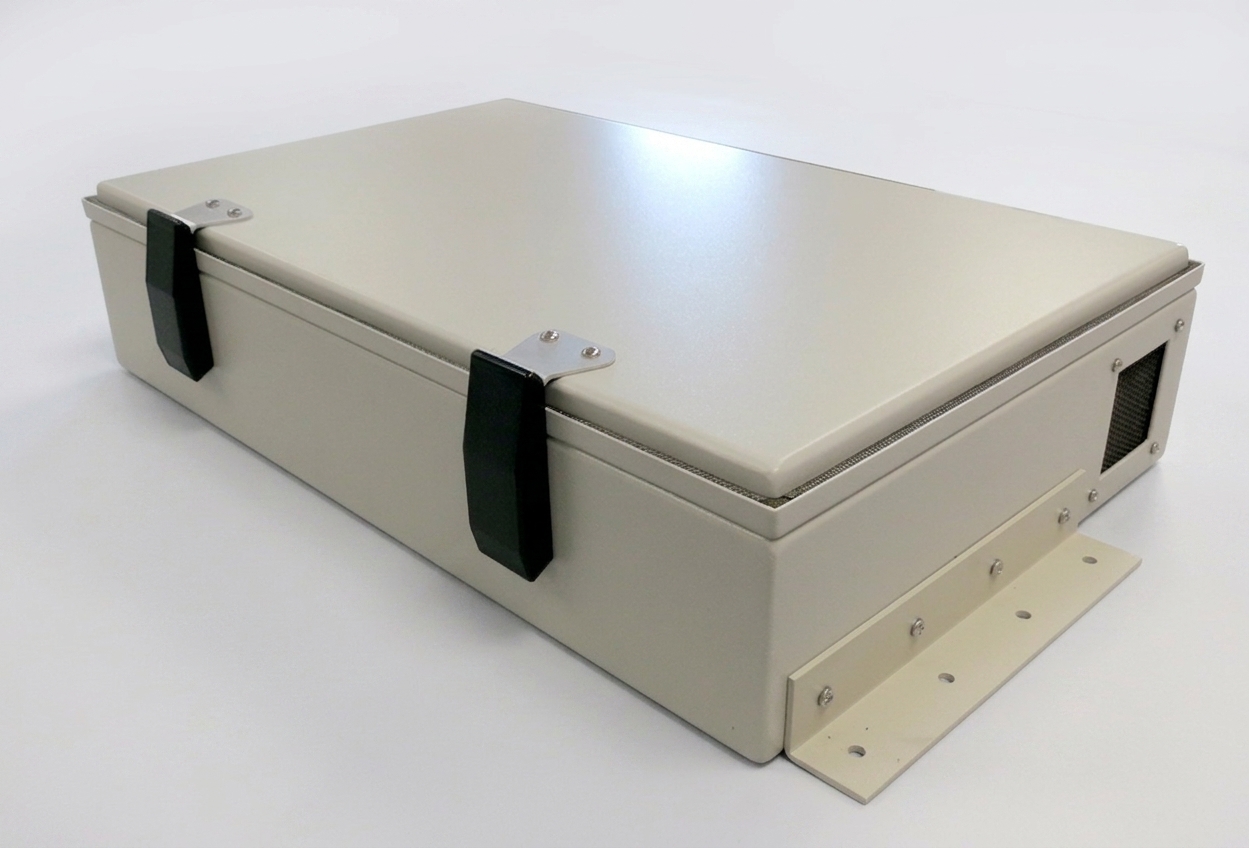
A standard JRE enclosure already covers the 5G FR1 bands through 6 GHz at −100 dB DC–1 GHz, −95 dB to 3 GHz and −85 dB to 6 GHz. For the FR1 bands between 6 and 7.125 GHz, and for 5G FR2 / millimeter wave, the MW upgrade extends isolation to greater than 85 dB at 28 GHz — for 480 USD over the standard enclosure price.
Conceptual display shows the quiet environment inside the test chamber — compared with the normal noisy lab environment.
- > 85 dB — MW upgrade isolation, specified to 28 GHz
- +480 USD — MW upgrade over the standard enclosure price
- 24–40 GHz — 2.92 mm K-type connectors, rated to 40 GHz
When wavelength shrinks, every seam becomes a slot.
At short wavelengths an untreated enclosure that gives −95 dB at 2 GHz can drop to ~35 dB at 28 GHz.
- Untreated enclosure
- Every seam becomes a radiating slot
- Conductive-fabric gasket
- Gasket at every critical seam
- Seals the short-wavelength leak paths
The MW upgrade adds a conductive-fabric gasket at every critical seam — lid-to-body, I/O-plate perimeter, hardware points — and brings 28 GHz isolation to greater than 90 dB on a blank plate. The robust body was already tight; the upgrade targets the discontinuities that matter at short wavelengths.
The cliff at 28 GHz — and the MW rescue.
An untreated enclosure that holds −100 dB through 1 GHz falls toward 35 dB by 28 GHz, because at 10.7 mm wavelengths every seam becomes a radiating slot. The MW gasket treatment is specified to greater than 85 dB all the way to 28 GHz (greater than 90 dB measured on a blank plate). Read both traces at your band: standard is the muted trace; MW upgrade is the lit one.
Drag across either trace to read isolation at any plotted frequency. At 6 GHz both hold ≥85 dB; past it only the MW trace holds — >85 dB specified at 28 GHz.
| Frequency | MW upgrade | Standard enclosure |
|---|---|---|
| 10 MHz | ≥100 dB | ≥100 dB |
| 1 GHz | ≥100 dB | ≥100 dB |
| 3 GHz | ≥95 dB | ≥95 dB |
| 6 GHz | ≥85 dB | ≥85 dB |
| 28 GHz | ≥85 dB | ≥35 dB |
Why higher frequencies are harder
A shielded enclosure is a Faraday cage — and the key word is continuous.
Any interruption (a door gasket, an I/O-plate seam, a hardware point) is a potential leak.
At 1 GHz a wavelength is 300 mm, so a 1 mm gap is 1/300th of a wavelength and leaks nothing.
At 28 GHz a wavelength is just 10.7 mm — that same 1 mm gap is nearly 1/10th of a wavelength and becomes an effective radiating slot.
Using an RF test chamber at 5G and microwave frequencies
The system is only as good as its weakest link.
Pair an MW enclosure with a standard 6 GHz filter and the filter leaks at 28 GHz — 30 dB regardless of how well the enclosure is sealed.
When ordering an MW enclosure, always order MW-rated I/O filters to match: +80 USD per single filter section, +160 USD per dual.
In lab tests an MW enclosure with a standard LAN-1 gave only 30 dB at 28 GHz; the matched LAN-1MW restored 80 dB.
Do I need the MW upgrade?
The upgrade is decided by one thing: does your device operate above 6 GHz? Pick your band below for a verdict and a matched configuration — enclosure, filters and a band-appropriate antenna or fiber — that you can carry into a single Request-a-Quote.
At or below 6 GHz
Standard is fine
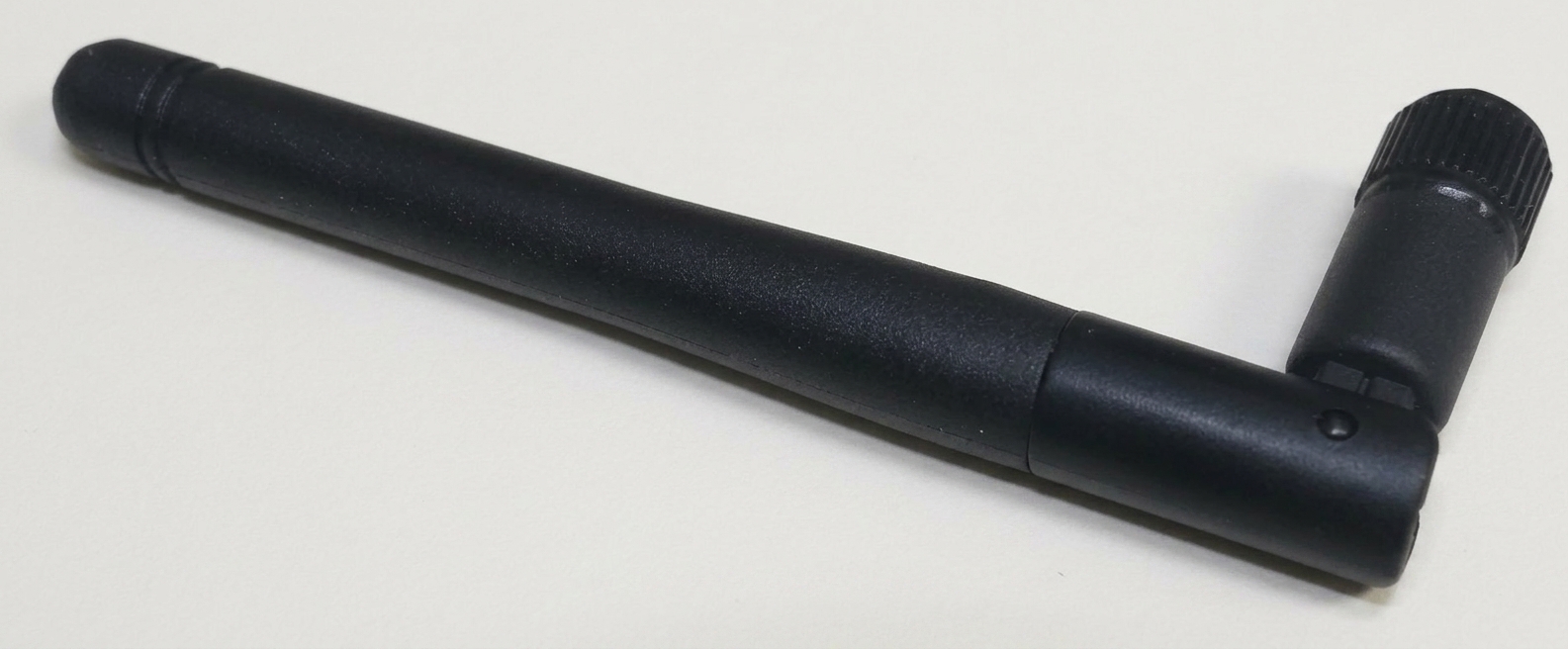
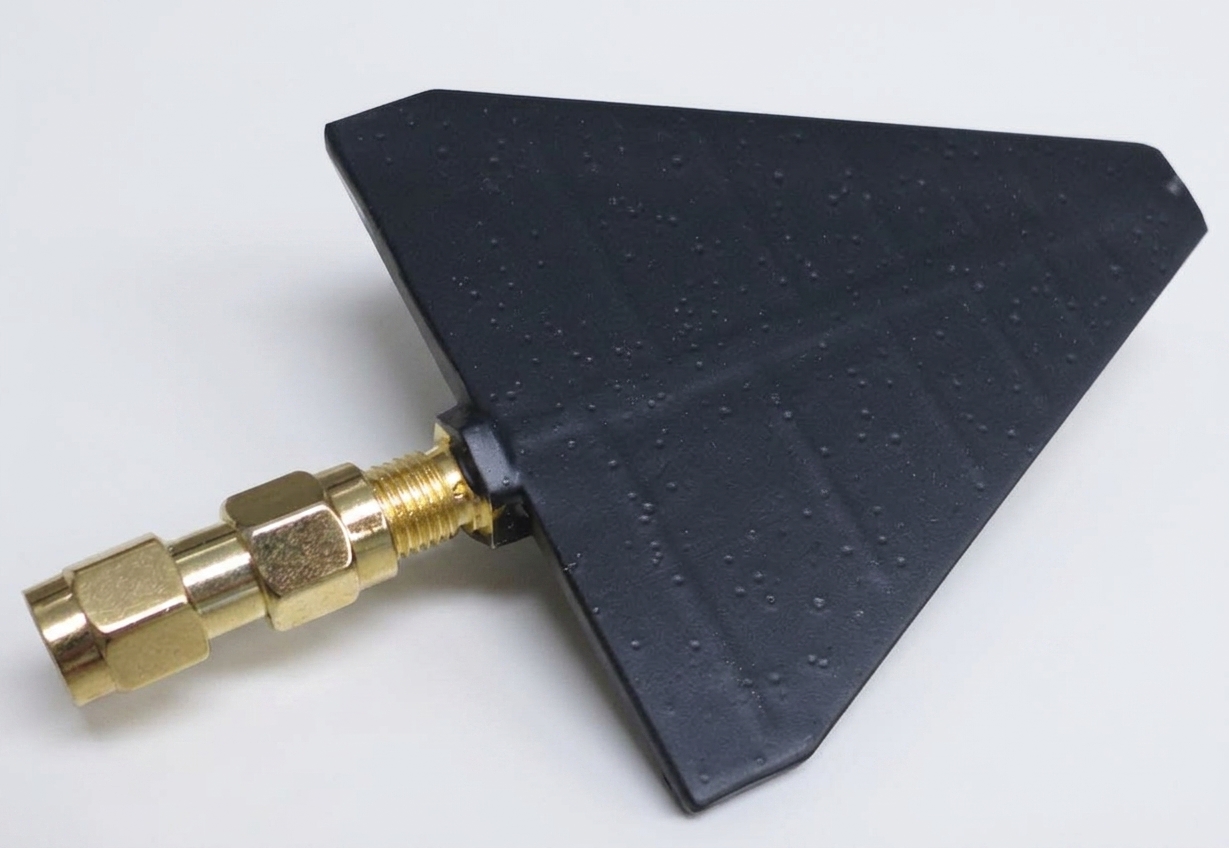
5G FR1 through 6 GHz, WiFi 2.4/5/6 GHz, Bluetooth, cellular through 4G LTE, Zigbee, LoRa and GPS all sit inside the standard enclosure's isolation. No MW upgrade, standard filters, and the ANT-245 (2.4/5–6 GHz) or the broadband BBA-1 (1 MHz to over 6 GHz) cover the band.
Above 6 GHz
Spec MW on the enclosure AND every filter
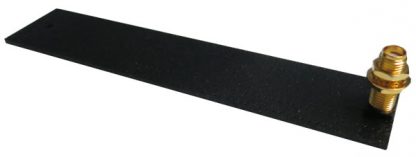
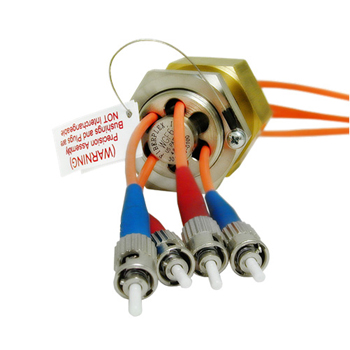
5G FR2, Ka-band satcom and point-to-point microwave all live above 6 GHz. Add MW to the enclosure (+480 USD) and order matched MW filters (+80 USD single / +160 USD dual). Above ~11 GHz there is no stock JRE antenna — contact us for a band-specific antenna. To keep the device's data link off a conducted path, the WGF-6 fiber pass-through holds 60 dB at 28 GHz. The ANT-245 is FR1-only and will not cover your band.
Above 28 GHz: the MW upgrade is specified and tested to 28 GHz. We have not formally characterized isolation beyond that, so there is no published figure at 40 GHz. The MW gasket and 2.92 mm (K-type) connectors are still the best available benchtop performance. Tell us your band and we will set realistic expectations. Using an RF Test Chamber at 5G & Microwave Frequencies Ask an Engineer
Build-time MW options (configured on your order — not separate SKUs)
- MW enclosure upgrade +480 USD conductive-fabric gasket at every seam — to 28 GHz
- MW-rated filter, single +80 USD per filtered section, matched to the enclosure
- MW-rated filter, dual +160 USD per dual filtered section
Matched configuration
-
-
-
-
-
-


Enclosures, antennas and fiber for microwave work
Every price published. Filter by category or price, then add what you need to a single combined inquiry — no cart, no checkout.
6 of 6 shown
-
-
-
-
-
-
No products in this set match those settings. Tell us your spec →
What this application covers
- Enclosures 29
- I/O Interfaces 17
- Populated I/O Plates 46
- Antennas 5
- Fiber 2
- Test Equipment 3
The MW upgrade is a build-time option on any standard enclosure and on every filtered I/O section — it is not a separate SKU. Tell us your band and we configure it.
Frequently asked questions
Use the MW upgrade when the device operates above the standard enclosure range. The upgrade treats the seams and other discontinuities that become effective radiating slots as wavelength shrinks.
Yes. The system is only as good as its weakest link, so an MW enclosure needs MW-rated I/O filters. A standard filter can limit the isolation even when the enclosure itself has the upgraded gasket treatment.
No. It is a build-time option on a standard enclosure and on each filtered I/O section. The enclosure and every filter are configured together for the operating band.
Go deeper — engineering guides
- Using an RF test chamber at 5G and microwave frequencies FR1 vs FR2, the wavelength-vs-gap physics, MW upgrade specs and the weakest-link lab data.
- Understanding antenna performance inside an enclosure Why gain, pattern and polarization don't apply in the near field — and why the BBA-1 is the safe choice.
- How to radiate signals using antennas Path-loss figures, gold-standard benchmarking, and enclosure-to-enclosure linking on the bench.
- The RF absorbing foam inside your test chamber Why the foam is the damper and not the shield — 40 dB per wall bounce, and why a bare box gives you unrepeatable readings.
Testing above 6 GHz?
Tell us your band — 5G FR2, Ka-band, point-to-point microwave — and we'll configure the enclosure, MW filters and connectors to spec and quote it.